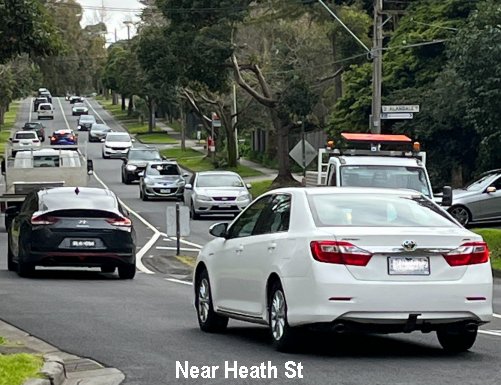
This section of State Highway in suburban Melbourne is 1.4km without a safe crossing. This forces parents with young children, elderly people, walkers and cyclists to cross the road at midway points without guidance. No other State Highways in this region have such an extended distance between safe crossing points.
The very popular crossing point of Blackburn Rd at Heath St and Alandale Rd Blackburn is 0.6km from the nearest safe controlled point at Canterbury Rd to the south and 0.8km from the next safe crossing point to the north at Railway Parade. These are most unreasonable distances for people to travel to have access to a safe crossing point. Imagine if you are a wheelchair user!
The current small ‘refuge’ islands at Heath St and The Avenue give the impression that these are official crossing points. The illusion of safety is created, but this is inadequate because cars have no requirement to stop or watch out for people crossing.
Safe crossing points of Blackburn Rd at Heath St and The Avenue will enable all ages and abilities in the community to cross safely. Importantly, these are also vital crossings for children and parents going to and from kinder and multiple local primary schools.
Lots of people cross Blackburn Rd every day between Canterbury Rd and Blackburn Station. They are children and parents walking to & from kinder or school to avoid using a car and to ensure their children get additional exercise, and many are active community members moving between Blackburn Lake, The Avenue and Blackburn Creeklands.
Everyone of all ages should be able to cross with safety.
You can help by signing a petition. You will be joining with others in the community to ask the Decision Makers – Whitehorse City Council & Victorian Department of Transport (DoT) – to work collaboratively together to make these crossing points safe for people of all ages and ability.
SPECIAL NOTE: When signing, please consider adding in your personal experiences of why a safe crossing is needed by choosing to fill in the box “I’m signing because…”. This gives our Decision Makers everyday accounts of those regularly trying to cross Blackburn Rd. This REALLY helps!
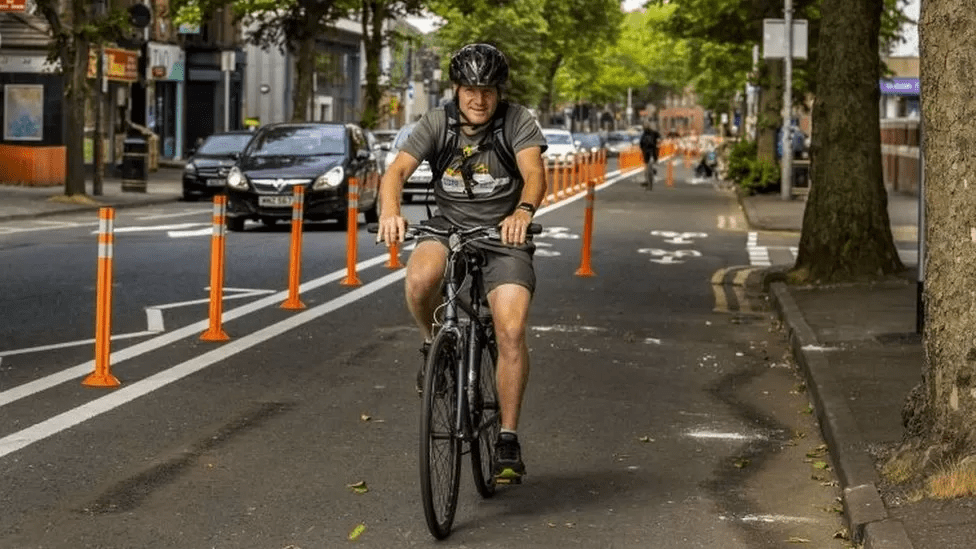
Photo Credit: Matthew McLaughlin, provided to The Conversation: Published: May 20, 2021 5.56am AEST
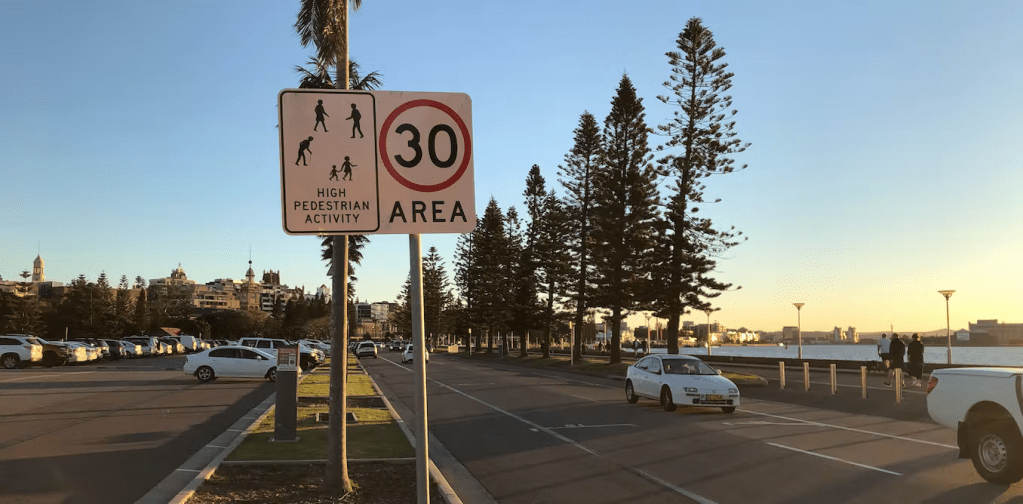
Introducing 30km/h limits is one of a suite of measures available to governments to bring about six compelling co-benefits to society: road safety, physical activity, air quality, liveability, equity and economic benefits.
All Australian states and territories should urgently introduce 30km/h speed limits to create streets that are safe, accessible and enjoyable for all.
Matthew Mclaughlin PhD Candidate, School of Medicine and Public Health, University of Newcastle
Ben Beck Senior Research Fellow, School of Public Health and Preventive Medicine, Monash University
Julie Brown Associate Professor, School of Medical Sciences, UNSW, and Program Head, Injury Division, George Institute for Global Health
Megan Sharkey Urban Studies Research Scholar, University of Westminster, and Adjunct Lecturer, UNSW Sydney
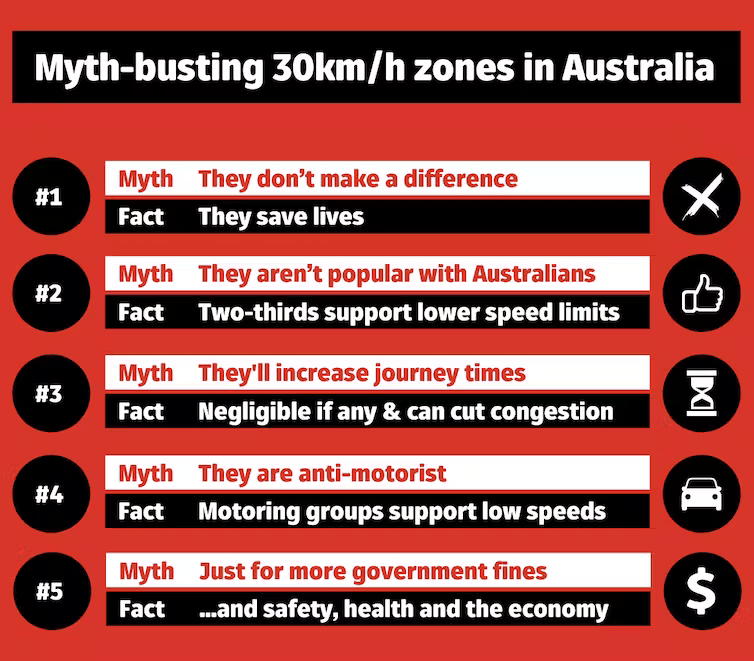
Their research is not based on heresay, but has solid facts to support their conclusions.
How to solve this?
The difficulties for Councils to introduce trial 30km/h streets or local areas are manifold, and are held back by the perpetuation of the above five myths.
In Victoria at least, a particular problem is the centralisation of decision making (power?) within the Department of Transport (DoT) such that Councils don’t have the delegated authority to change speeds on local streets.
Councils have the authority and resultant authority over most other factors affecting the use and appearance of local streets. Why not speed limits?
Our laws and regulations in Victoria, and possibly in other states too, need to urgently change to enable Councils to have more say about what happens on their local streets.
Three Yorkshire cities are among 11 places where doctors are to start prescribing walking and cycling to boost mental and physical health. The new Gear Change Plan pilots would be “hugely beneficial” to overall mental and physical health, said the Department for Transport (DfT).
Whilst there is a community health benefit, the move is not entirely altruistic. Walking and cycling minister Trudy Harrison said more cycling and walking would “ease the burden on our NHS”, She also says that it will help with “improving air quality and reducing congestion”. The government-funded plan aims to reduce the number of GP appointments and people’s reliance on medication.
What are the trials?
The government is developing the pilots with the NHS and Sport England
They include adult cycle training for all abilities, plus more walking groups for exercise and mental health
Free bike loans will be offered
Wheelchair and mobility scooter-users will also benefit
The pilots run until 2025 in Bradford, Leeds, Doncaster, Cumbria, Gateshead, Nottingham, Staffordshire, Suffolk, Plymouth, Cornwall, Bath and NE Somerset
Source: The Department for Health and Department for Transport
The government-funded plan aims to reduce the number of GP appointments and people’s reliance on medication.
The government said the authorities must also improve infrastructure so people felt safe walking and cycling.
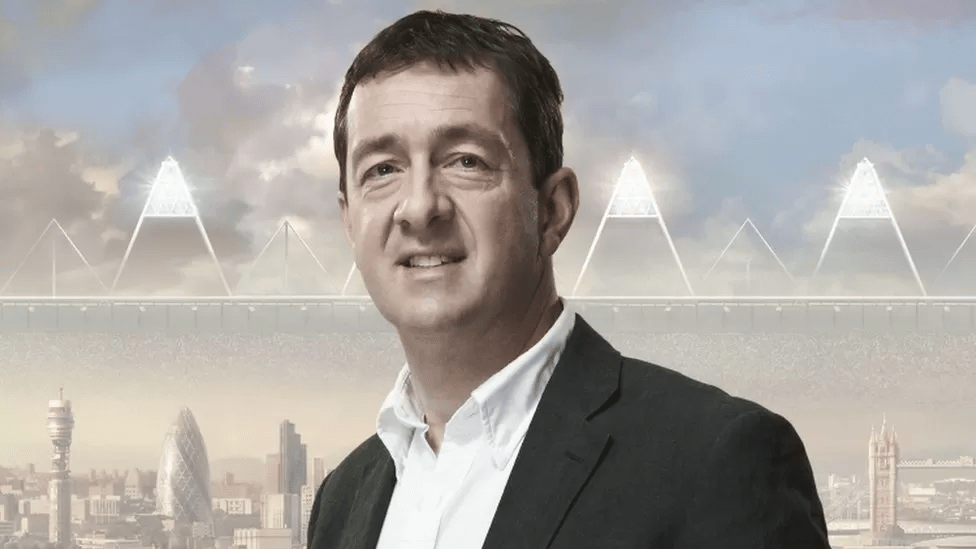
Credit: BBC News – Cyclist Chris Boardman is commissioner of National Active Travel, the government agency which improves the UK’s cycling and walking infrastructure
“We need healthier, cheaper and more pleasant ways to get around for everyday trips,” said cyclist Chris Boardman, commissioner of National Active Travel, a government agency set up to improve the UK’s cycling and walking infrastructure.
“Moving more will lead to a healthier nation, a reduced burden on the NHS, less cancer, heart disease and diabetes, and huge cost savings.”
In 2020, Public Health England research found being overweight or obese means greater risk of serious illness or death from Covid-19 and ministers estimated two-thirds of UK adults were overweight.
However, the scheme is not without its doubters. While GPs agree the pilot funding is “great news”, with obesity a risk factor for Type-2 diabetes, cancers, liver and respiratory disease, some say overstretched surgeries cannot take on even more work created by the pilots.
Food for thought for us here in Australia where our hospitals, doctors and ambulances are reeling under the pressure of dealing with the ongoing effects of Covid and its effect on the whole health system.
And we would also benefit greatly from having a Federal Government funded National Active Travel Agency with a high profile Commissioner like Chris Boardman.
Whitehorse is on the Traditional lands of the Wurundjeri people. We acknowledge them as Traditional Owners and respect their Elders for the way they cared for the land in our area for millennia.
Like to know when our periodically published Active Transport News is is available? Click the Subscribe button below.
Join 2,520 other subscribers
NOTE: To receive our periodical NEWSLETTERS, please click the 'Subscribe' at top of page.
Registered Charity
WATAG is registered as a charity with the Australian Charities and Not-for-profits Commission ABN 63 938 570 447.
Being registered as a charity with the ACNC demonstrates WATAG’s commitment to transparency and good governance.
Search
We try to be spam free. We use Akismet spam blocker.


 Whitehorse Active Transport Action Group Inc.