Roads should be “safe, attractive and designed” to help people use their cars less says UK’s National Institute for Health and Care Excellence (NICE).
Getty Images
UK’s health watchdog has said that Pedestrians, cyclists and public transport should be give priority over cars when roads are built or upgraded, to encourage more physical activity.
It has issued a set of draft guidelines for planners and local authorities.
The Department for Transport said it supported such policies.
NICE cited concerns over obesity levels as well as research suggesting physical activity can prevent and manage chronic conditions and diseases – including some cancers, heart disease, type 2 diabetes and depression.
It said: “Transport systems and the wider built environment can influence people’s ability to be active.”
The car was always the cause of all the problems in our cities.
As we start the new year, let’s take a look back at how everyone knew the automobile was a menace, yet somehow let it take over anyway.
ByBen Verde NYC Streetsblog.org
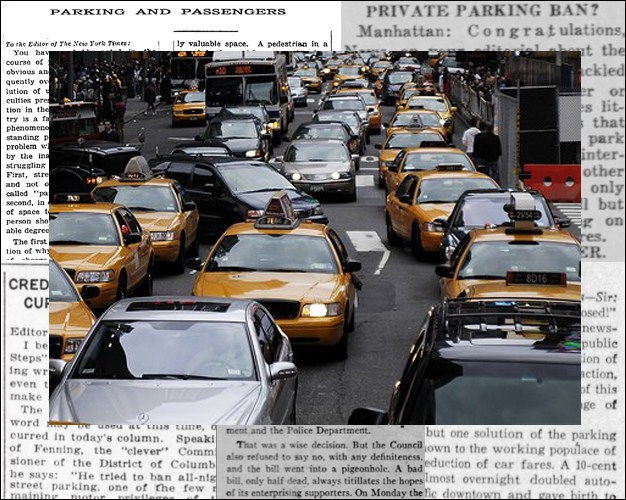
The automobile has ruined our cities — choking our streets and making our communities less livable.
But Americans who care about cities saw it coming from the very first days of the Age of the Automobile. Residents wrote to their local newspapers, begging lawmakers to not capitulate to motorists or car makers as they sought to turn public streets into free parking lots. Reporters covered the rise of private ownership of cars as a scourge on our cities. Judges decried what too many people today think is normal: streets clogged by privately owned single-occupancy vehicles in the public right of way. Click here for the full article.
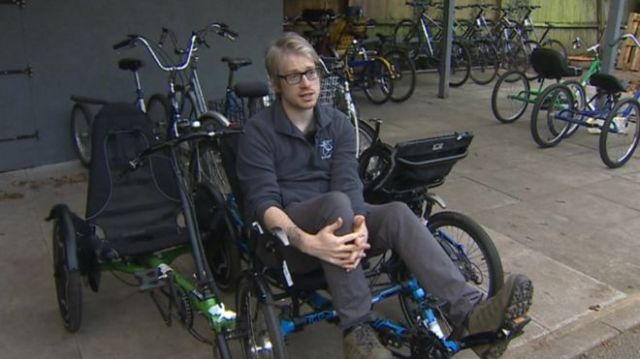
Kevin Rahman-Daultrey, who has dyspraxia, said adapting bikes was a great idea
A great story courtesy BBC.com
People with disabilities will be able to hire specially adapted bikes around Cardiff via an app as a public cycle share scheme expands across the city.
By this summer, 1,000 Nextbikes are set to be docked around the capital, double the number already on the streets.
Kevin Rahman-Daultrey, who has dyspraxia, said he would not be able to cycle without an adapted trike.
But while the scheme is popular, Cardiff council has admitted city cycle routes must be improved.
Children today spend more time in cars than previous generations. They also spend less time playing on the streets and in unstructured and unsupervised activity outdoors. The lack of opportunities for physical activity and the loss of freedom to explore their local neighbourhood is bad news for children’s physical, social and mental well-being.
We know surprisingly little, however, about the detailed reasons for individual private car use. An international study highlights that households with children have higher rates of car ownership and use. In Australia, official statistics on transport pay a great deal of attention to the “journey to work”, but car travel that can be attributed to child-related activities has not been fully explored.
Research on children’s travel patterns tends to focus on the “journey to school”. While school trips are important, this provides only a narrow image of children’s actual travel patterns. They also make many trips to non-school destinations and extracurricular activities such as sport, music and dance classes.
We recently reviewed local government policies related to sustainable mobility and child-and-youth-friendly cities. Our review found little consideration of children and young people in transport planning policies across Australia. This is despite the fact that the decline in their walking and cycling rates was widely recognised.
Several factors contribute to lower rates of walking and cycling among children and their limited use of public transport. These range from urban form to social and economic conditions.
Australian suburbs typically have low density and segregated land uses, which privilege the car over other travel modes. This situation is worse in outer suburbs which have limited public transport and poor provision for walking and cycling. These outer suburbs are also more likely to have lower socio-economic status and a larger proportion of families with children.
All together, these suburban conditions add to the social disadvantage resulting from limited access to services and activities that are critical for families with children. This further encourages private car use.
Changing social structures mean families usually are on tight schedules. These changes include increases in employment for women and in the number of both single-parent families and families where both parents are in paid work. Because the car is relatively cheap and easy to use for individual mobility in Australian cities, it is generally the uncontested way to manage these schedules.
In addition, the increased individualisation as a common characteristic of Western societies usually means parents are expected to provide strict supervision of children’s movements. In the conditions described above, the most practical way to do this is usually to drive them in a car.
Of course this increases the number of cars on our streets, particularly around schools and other common destinations for children. This then perpetuates parents’ concerns about traffic safety, leading in turn to even more private car use.
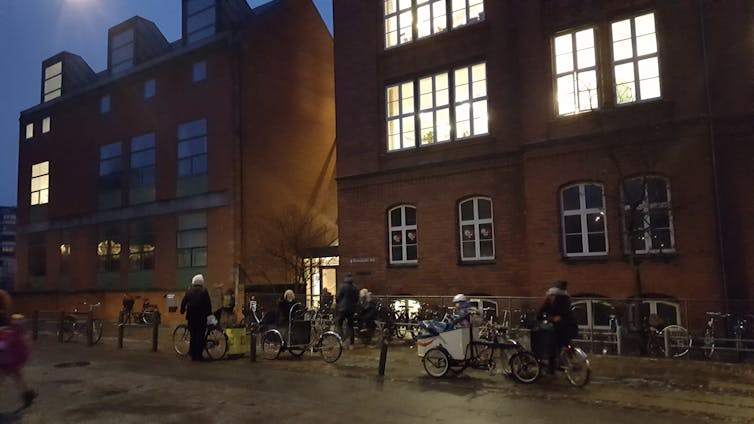
Notice the difference? Drop-off time at an inner-city Copenhagen school. Hulya Gilbert, Author provided
What is perhaps most striking about the trend towards chauffeuring children is that these facts are seemingly becoming accepted as unavoidable outcomes of modern society. They are largely ignored in transport planning.
We have argued that children have a pivotal role in sustainable mobility. Greater attention to the mobility needs of families with children will produce many social and environmental benefits.
The importance of children’s role in sustainable mobility can be grouped under two themes.
First, children’s needs in today’s lifestyles mean they have an active role in contributing to increased private car use. The daily lives of families with children offer a good example of the context in which carbon-intensive travel patterns occur. If their mobility needs can be met more sustainably (even partially) we are likely to achieve significant carbon savings.
A better understanding of children’s travel patterns would provide a solid foundation for sustainable mobility policies. Planning and transport policies that are responsive to children’s specific needs are likely to have more effective and longer-lasting outcomes, with many related benefits for social sustainability and public health.
Whitehorse is on the Traditional lands of the Wurundjeri people. We acknowledge them as Traditional Owners and respect their Elders for the way they cared for the land in our area for millennia.
Like to know when our periodically published Active Transport News is is available? Click the Subscribe button below.
Join 2,520 other subscribers
NOTE: To receive our periodical NEWSLETTERS, please click the 'Subscribe' at top of page.
Registered Charity
WATAG is registered as a charity with the Australian Charities and Not-for-profits Commission ABN 63 938 570 447.
Being registered as a charity with the ACNC demonstrates WATAG’s commitment to transparency and good governance.
Search
We try to be spam free. We use Akismet spam blocker.


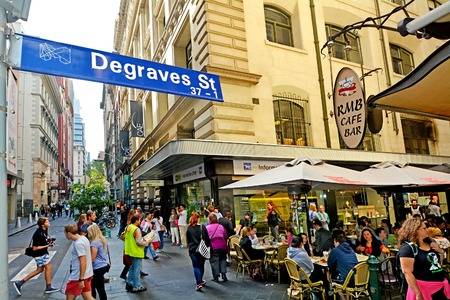 Find out why Walkable Steets are More Economically Productive. This is backed by research by the Heart Foundation and Transport for London.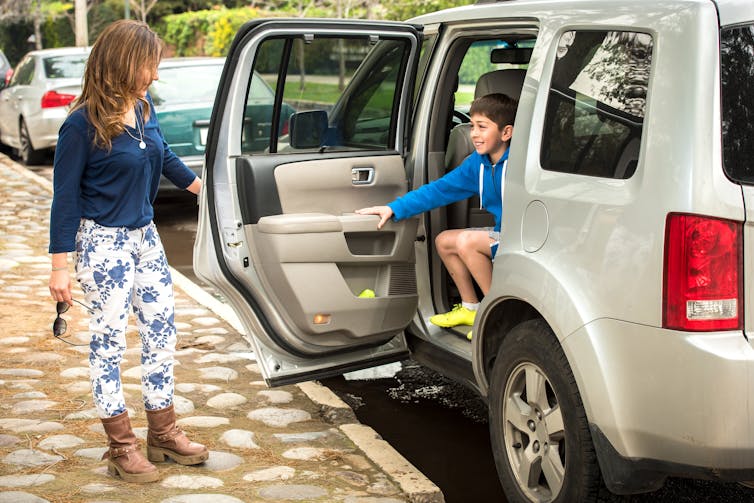


 Whitehorse Active Transport Action Group Inc.